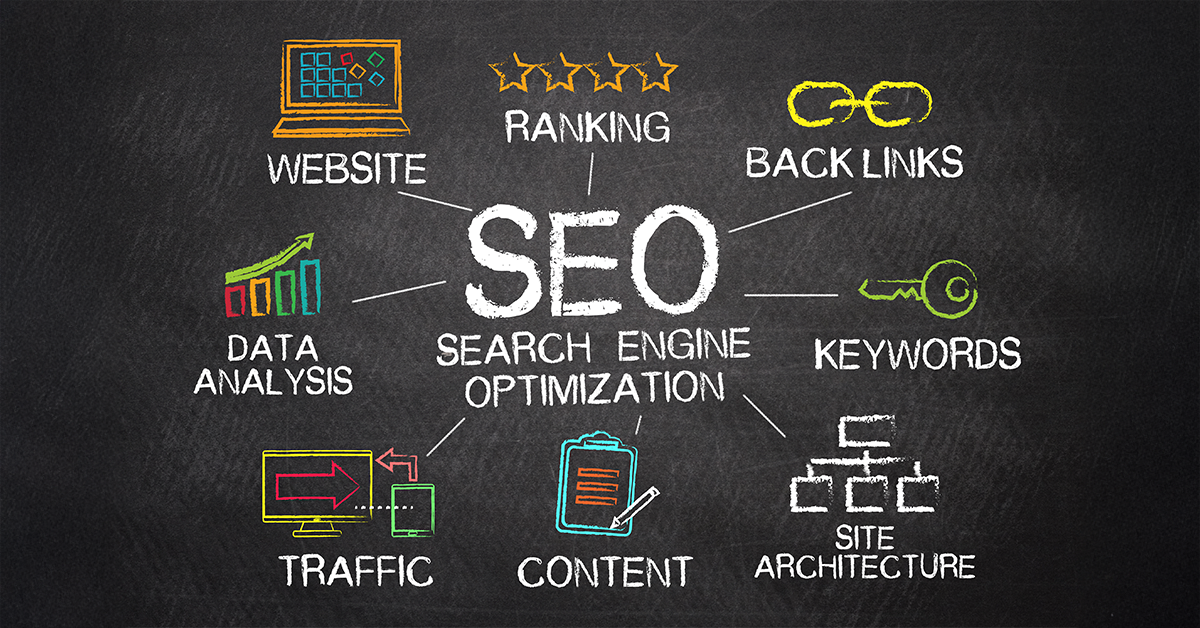
If you’ve ever sat through a conversation about SEO and heard terms like schema markup, crawl budget, or canonical tags, you’re not alone in thinking: “This sounds important… but does it actually get me more patients?”
Here’s the truth most dental marketing agencies won’t tell you:
Technical SEO only matters if it drives visibility, traffic, and ultimately—new patients.
Everything else is noise.
For dental practices and DSOs, technical SEO isn’t about chasing perfection. It’s about making sure your website isn’t quietly sabotaging your rankings and conversions.
Let’s break down what actually matters—and what doesn’t.
What Is Technical SEO (And Why Dentists Should Care)
Technical SEO refers to how well your website is structured, built, and optimized for search engines like Google to crawl, index, and rank your content.
But here’s the real-world translation:
- If your technical SEO is weak, your website won’t rank
- If it doesn’t rank, patients won’t find you
- If patients don’t find you, your competitors win
Even the best websites for dentists can underperform if the technical foundation is flawed. At Patient NEWS, our
dental websites are optimized to convert. We ensure all the technical set up with an experienced team of SEO specialists fine-tuning your foundation so the website that sits above it attracts and converts traffic into booked appointments.
And yes, this is where most practices (and even some agencies) drop the ball.
BOOK A CONSULTATION
1. Website Speed: The Silent Killer of Rankings and Conversions
Let’s start with the big one.
Page speed is not just a ranking factor—it’s a revenue factor.
Patients don’t wait for slow websites. If your site takes more than a few seconds to load, they’re gone—usually to the practice down the street.
What actually matters:
- Fast load times on mobile (not just desktop)
- Optimized images (huge issue on dental sites)
- Clean, efficient code
- Reliable hosting
What doesn’t matter:
- Obsessing over a “perfect” PageSpeed score
- You don’t need a 100/100 score. You need a site that loads fast enough to retain visitors and satisfy Google.
- A strong dental marketing company will prioritize performance where it counts—not vanity metrics.
2. Mobile Optimization: Non-Negotiable in 2026
More than half of your potential patients are searching on their phones—often in moments of urgency (“dentist near me,” “tooth pain help,” etc.).
If your site isn’t built for mobile, you’re losing patients before they even consider you.
What actually matters:
- Responsive design (your site adapts to all devices)
- Click-to-call functionality
- Easy navigation and readable text
- Fast mobile load times
Modern SEO for dentists requires a mobile-first approach.
3. Crawlability & Indexing: Can Google Even Find You?
This is where things get a bit more technical—but stay with me.
If Google can’t properly crawl and index your website, it doesn’t matter how good your content is.
Common issues we see:
- Important pages blocked by robots.txt
- Missing or broken XML sitemaps
- Duplicate pages confusing search engines
- Orphan pages (pages with no internal links)
What actually matters:
- A clean, logical site structure
- Proper indexing of service and location pages
- No technical barriers preventing Google from accessing your content
A surprising number of dental practices invest in
dental SEO services while their core pages aren’t even being indexed properly.
That’s like paying for billboards… and putting them in the middle of a forest.
4. Site Structure: The Foundation of Dental SEO
Think of your website like a map.
If it’s messy, confusing, or poorly organized, both users and search engines struggle to navigate it.
What actually matters:
- Clear hierarchy (Home → Services → Specific Treatments)
- Dedicated pages for each service (implants, Invisalign, etc.)
- Location pages for multi-location practices
- Internal linking between related pages
Why this matters:
Google uses your structure to understand what services you offer, which pages are most important and how relevant your practice and your expertise are for specific searches.
For example:
A well-structured site helps you rank for “dental implants in [city]” instead of getting buried under competitors.
This is a core pillar of effective SEO for dentists.
5. URL Structure: Keep It Clean and Intent-Driven
Your URLs should be simple, readable, and aligned with what patients are searching.
Good:
/dental-implants-newyork
Bad:
/page?id=123&service=implants
What actually matters:
- Including relevant keywords naturally
- Keeping URLs short and descriptive
- Avoiding unnecessary parameters or clutter
It’s a small detail—but it contributes to both rankings and user trust.
6. Secure & Reliable Websites (HTTPS Is Mandatory)
If your website isn’t secure, Google notices—and so do patients.
What actually matters:
- HTTPS (SSL certificate)
- No “Not Secure” warnings in browsers
- Reliable uptime (your site should never go down)
Trust is everything in dental. A secure site reinforces credibility.
And yes—Google uses this as a ranking signal.
7. Core Web Vitals: Focus on Experience, Not Scores
You’ve probably heard of Core Web Vitals which is Google’s way of measuring user experience.
Here’s the honest take: they matter but only to a point.
What actually matters:
- Fast load times
- Stable layout (no jumping elements)
- Quick interactivity
A strong dental marketing company knows where to optimize—and where not to over-engineer.
8. Schema Markup: Helpful, But Not a Silver Bullet
Schema markup helps search engines better understand your content.
For dentists, this can include:
- Practice information
- Reviews and ratings
- Services offered
- Location details
What actually matters:
- Basic local business schema
- Accurate NAP (Name, Address, Phone) data
- Structured data that reinforces your credibility
What doesn’t matter:
Overloading your site with unnecessary schema
Schema supports your SEO—it doesn’t replace it.
9. Duplicate Content: A Hidden Problem for Dental Websites
This is especially common with multi-location practices or agencies that reuse descriptions on service pages. At Patient NEWS, all of our content goes through a strenuous process and our editorial team checks for duplicity to ensure content is tailored and custom for the services you provide.
Why it matters: Duplicate content confuses Google and weakens your rankings.
What actually matters:
- Unique content for each location
- Differentiated service pages
- Avoiding copy-paste across your site
For DSOs, this becomes even more critical at scale.
10. Technical SEO for Multi-Location Practices (DSOs)
If you manage multiple locations, technical SEO gets more complex—and more important.
What actually matters:
- Unique location pages with local signals
- Proper internal linking between locations
- Consistent but not duplicate content
- Scalable site architecture
What doesn’t matter:
Treating every location as identical
Scaling dental SEO services requires a balance between consistency and localization. Most dental marketing agencies struggle here. This is where expertise shows.
What Dentists Get Wrong About Technical SEO
Let’s call it out:
- Obsessing over minor technical details instead of big wins
- Paying for audits that never get implemented
- Thinking technical SEO alone will drive patients
- Working with agencies that overcomplicate everything
Technical SEO is not the strategy—it’s the foundation.
Without it, your marketing underperforms and your practice struggles to grow and meet production goals.
Here’s the reality...
Technical SEO works best when paired with:
- Strong local SEO
- High-converting website design
- Strategic content targeting patient intent
- Ongoing optimization and tracking
That’s why leading practices don’t just look for vendors—they partner with a dental marketing company that understands the full picture.
Final Thoughts: What Actually Matters
If you strip away the jargon, technical SEO for dentists comes down to this:
- Your site loads fast
- It works flawlessly on mobile
- Google can crawl and understand it
Your structure supports your services and locations
There are no hidden issues holding you back
That’s it.
Not 50-page audits.
Not endless technical tweaks.
Not chasing perfection.
Just a solid foundation that allows your SEO for dentists strategy to actually perform.
If your website isn’t delivering consistent patient growth, there’s a good chance the issue isn’t visibility—it’s the foundation underneath it.
And that’s exactly where the right dental SEO services make all the difference.
Curious what Patient NEWS can do to help you rank higher with an AI-driven beautifully designed website?
BOOK A CONSULTATION