
Dental Postcard Marketing: How Many Touchpoints Does It Take Before A Patient Chooses Your Dental Practice?
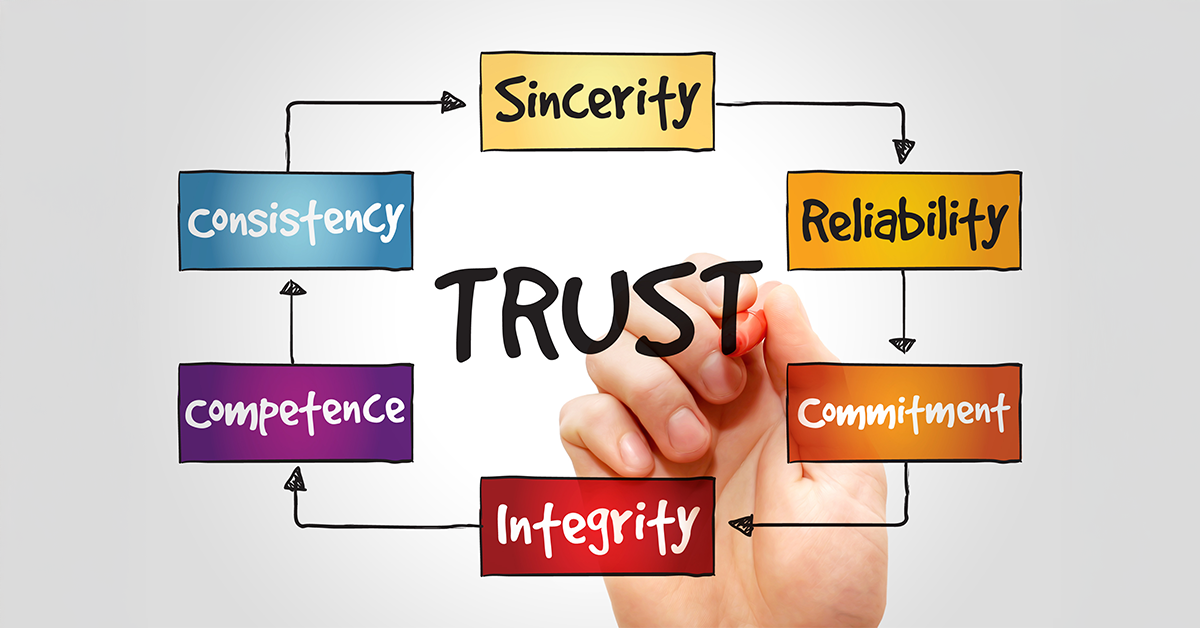
For years, we’ve heard a simple rule: a prospect needs seven to eight touchpoints before taking action. Then the number became eight to 12 interactions. We’ve watched this in action with our clients and their campaigns for years. Today? The reality is far more complex – especially when it comes to dentistry.
Patients researching healthcare providers – especially dentists – rarely make decisions after a handful of exposures. Modern research suggests that the average purchase journey now includes nearly 29 touchpoints across channels before a consumer commits. In some cases – particularly with cold prospects – 20 to 50 interactions may occur before someone finally converts.
That raises an important question for dental practices: If marketing success is no longer about one message or one channel, and a patient needs dozens of touchpoints before choosing a dentist, what creates those interactions? Many dentists assume this is where dental postcard marketing comes in. After all, a postcard can introduce your practice to local households and create awareness in your community.
But awareness alone rarely earns trust.
And for healthcare, where trust matters more than almost any other industry, the quality of those touchpoints matters just as much as the quantity. Patients researching a dentist are looking for reassurance, expertise, and credibility. They want answers to their questions, clarity about treatment options, and signals that the practice they choose will deliver quality care.
That’s where the real trust-building happens. Not just through how often patients see your name, but through the quality of information they encounter along the way. Because in modern dental marketing, touchpoints matter. But the content that builds confidence matters even more.
Why Dental Marketing is Really About Trust
Choosing a dentist isn’t like choosing a pizza place. Patients are selecting someone who will treat their health, manage their pain, and influence their confidence and appearance. That decision carries emotional weight.
Modern healthcare research reinforces how deeply trust influences that decision:
- 82% of patients use search engines to research healthcare providers before booking an appointment.
- The average patient visits three to five provider websites before choosing one.
- 75–88% of consumers trust online reviews as much as personal recommendations.
- 72% of patients say they prefer providers with a strong online presence.
Patients are researching, comparing, and evaluating long before they ever call your office.
The decision is happening in what Google calls the Zero Moment of Truth (ZMOT). That’s the research phase where patients gather information, check reviews, and evaluate providers.
Google’s research suggests that buyers often spend about seven hours interacting with a brand across 11 touchpoints in at least four locations before trusting it enough to choose it. That trust-building journey is exactly where smart dental marketing wins.
But it’s important to note that Google’s ZMOT is at research phase. It’s not the start of the patient journey, which begins with awareness. Always be sure that your marketing plan has a good system in place to develop awareness in the households you want to attract. Awareness campaigns can include billboards and signage, community involvement, referrals, word-of-mouth, and dental postcard marketing, but TBH, as a postcard provider, we’ve found that awareness-building through newsletter marketing almost always delivers better quality patients.
The Shift from WIIFM to Patient-Centered Messaging
Traditional marketing advice often focused on “What’s in it for me?” And that’s about as much real estate as you get with dental postcard marketing. But the problem with that mindset is subtle: it still centers on the practice, not the patient. Today’s most effective marketing flips the perspective entirely.
The question isn’t:
“What do we want to say?”
It’s:
“What does the patient need to feel confident choosing us?”
Quality patients want more than postcard promotions. They want reassurance, clarity, and expertise. They want quality information to make good decisions for their families. Those quality patients you want? They’re looking for quality dentists.
They want to know:
- Will this dentist understand my concerns?
- Will they provide excellent care?
- Can I trust them with my health and appearance?
- Is this practice modern, professional, and reputable?
Marketing that answers those questions builds trust. Marketing that simply advertises services does not. Imagine the impact of proactively educating the households you want to attract by providing value and quality information where you control the narrative. Those households you drive by on the way to the office every day – they aren’t even thinking about you right now. That new development nearby … how will they know you are the best dentist to choose?
Why Your Practice Must Appear Everywhere Patients Look
Patients don’t discover dental practices in one place anymore. They encounter them everywhere. Examples of modern touchpoints include:
- Direct mail
- Google search
- Online reviews
- Practice websites
- Social media
- Local listings
- Patient testimonials
- Educational blog content
- Retargeting ads
- Word-of-mouth referrals
Each interaction builds familiarity. Each interaction reinforces credibility. Each interaction answers the patient’s unspoken question: “Is this a practice I can trust?” If your dental marketing campaigns only appear in one or two places, you simply don’t accumulate enough trust signals.
Practices that dominate their local markets show up consistently across multiple channels with an integrated, well-branded approach. Consistently.
Consistency is one of the most powerful trust signals in marketing. Patients rarely wake up thinking, “Today, I should find a new dentist.” Dental care is important, but even I’m not thinking about that, and I live in this world! It’s not typically at the top of anyone’s bucket list. That’s why consistent visibility matters. When a practice appears regularly – through direct mail, search results, social feeds, helpful articles, reviews, and community presence – it becomes familiar, and familiarity builds comfort. Over time, that steady presence signals reliability and professionalism, so when the moment comes that someone needs a dentist, the practice they’ve been seeing all along is the one they trust to call.
Why Direct Mail Still Dominates Local Healthcare Marketing
Digital marketing often gets the spotlight. But when it comes to reaching local households reliably, a quality direct mail system remains one of the most powerful tools available.
Why? Because it solves three major marketing challenges simultaneously.
1. Guaranteed Reach
Direct mail allows practices to select exactly which households receive their message based on demographics, geography, and lifestyle. Unlike digital platforms that depend on algorithms, direct mail ensures your message reaches the audience you want.
2. Awareness At Scale
Many potential patients don’t realize they need a dentist until they see one. Dental postcards or neighborhood newsletters can introduce your practice to thousands of households, creating the first touchpoint in the trust journey.
3. Multichannel Response
Patients rarely respond in a single way. Direct mail can drive website visits, phone calls, online searches for your practice, and office visits. In other words, direct mail triggers the digital journey rather than competing with it. The strongest campaigns integrate both.
Let’s be honest. Not all direct mail performs the same. Dental postcard marketing absolutely has its place, and many dentists use it successfully to create awareness in their community. In fact, direct mail continues to perform well overall, with response rates significantly higher than most digital channels.
However, format and content matter more than many practices realize. Through decades of testing campaigns for dental practices, we’ve found that neighborhood newsletters can generate about 170% higher response than postcards because they provide something postcards simply cannot: space for meaningful information. A more tangible experience. Patients don’t just glance at a newsletter; they read it, learn from it, and begin forming a perception of the practice behind it.
At first glance, many dentists might assume that postcards are less expensive than newsletters. In reality, it’s often more perception than fact when response rates and patient value are considered. And more importantly, the quality patients most practice want are evaluating signals of credibility, and a small promotional postcard may not fully communicate the level of care, expertise, and professionalism that a high-quality dental practice provides.
But the mail piece itself is only the beginning of the journey. When someone sees your practice for the first time, whether through a postcard, a newsletter, or another form of marketing, the next step is almost always the same: they go online to learn more. Patients search your name, read reviews, explore your services, and evaluate whether the practice feels credible and trustworthy. That research phase is where many patient decisions are actually made. In other words, the initial marketing touchpoint creates awareness, but the quality of the information patients find next is what ultimately builds trust and motivates them to schedule.
Why Your Website Becomes the Trust Engine
Direct mail may introduce your practice, but your website closes the credibility gap. When a prospective patient searches for your practice after receiving your message via dental postcard marketing or neighborhood newsletter campaigns, the website answers the next set of trust questions:
- Does this practice look professional?
- Is the information helpful and clear?
- Do they explain procedures in a way I understand?
- Are there real patient stories?
- Are the doctors credible and approachable?
Remember: patients compare multiple websites before making a decision. Your website is not simply an online brochure – it’s the digital reflection of your practice. If it looks outdated, thin on content, or generic, patients subconsciously assume the practice may be the same.
Quality patients look for quality signals. Those signals include strong educational content, clear service explanations, modern design, professional photography, authentic patient testimonials, transparent information, and a fast, clear user experience.
When done correctly, the website becomes the central trust-building hub in your marketing ecosystem.
Even the best website cannot build trust if patients never find it. That’s where search visibility plays an essential role. Search engine optimization (SEO) helps your practice appear when people are actively looking for a dentist or researching treatments, while paid media ads ensure your practice shows up prominently for high-intent searches in your area. These channels capture patients during the research phase when they are already evaluating providers and deciding who to trust.
The Real Formula for Attracting Quality Patients
The practices that consistently attract ideal patients follow a simple formula.
Visibility + credibility + trust.
Visibility comes from consistent marketing touchpoints, direct mail, search results, paid ads, reviews, and social media. SEO and paid media help ensure your practice appears when patients are actively searching for care. Credibility comes from strong branding, professional presentation, and consistent messaging across all channels patients encounter. Trust comes from meaningful, patient-focused content that answers real questions. Educational articles, clear explanations of services, and helpful resources on your website help patients understand their options and feel confident choosing your practice.
When those elements work together, marketing stops feeling like advertising and starts feeling like a relationship. And relationships are what ultimately grow dental practices.
The Future of Dental Marketing
The idea that “patients need eight touches before buying” is outdated. Modern patient journeys involve dozens of interactions across multiple channels. The practices that succeed understand this reality. They show up consistently. They provide meaningful information. They build trust long before the patient ever picks up the phone.
Because when patients finally decide it’s time to choose a dentist, they rarely choose the practice they just discovered – they choose the one they’ve already come to trust.
FAQs
How effective is dental postcard marketing for attracting new patients?
Dental postcard marketing can be effective for introducing a practice to households within a specific geographic area. Because postcards are delivered directly to targeted homes, they create local awareness and help patients recognize a practice name when they see it again online. However, postcards usually serve as an introduction rather than the final step in a patient's decision. Most people continue researching the practice online before deciding whether to schedule an appointment. At Patient NEWS, we will review your demographic and ideal patient personas to recommend the best plan for your practice.
Do dental patients research a practice online after receiving a postcard?
Yes, most patients research a dental practice online after seeing a postcard or other advertisement. Healthcare decisions involve trust, so people typically search for the practice, read reviews, and visit the website before contacting the office. This research phase allows patients to evaluate the dentist’s expertise, services, and reputation. A strong website with helpful information plays an important role in converting awareness into trust.
Why do some dental practices send newsletters instead of postcards?
Dental newsletters allow practices to provide more educational content than a traditional postcard. Instead of focusing on a single promotion, newsletters give dentists the opportunity to explain treatments, share patient stories, and offer helpful oral health information. This type of communication helps build credibility and familiarity with potential patients. As a result, newsletters often attract patients who are looking for long-term dental care rather than a one-time offer.
How important is a dental practice website in the patient decision process?
A dental practice website is often one of the most influential factors in a patient’s decision to schedule an appointment. After discovering a practice through mail, search, or referrals, patients typically visit the website to learn more about services and the dentist’s experience. Clear explanations, helpful educational content, and authentic patient testimonials help build confidence in the practice. A professional website signals quality and reassures patients that they are choosing a trustworthy provider.
How many marketing touchpoints does it take for a patient to choose a dentist?
Modern consumer research suggests people often experience 20 or more interactions with a brand before making a decision – especially for services that require trust, like healthcare. These touchpoints may include direct mail, neighborhood newsletters, or dental postcard marketing, search results, online reviews, social media, and visits to a practice website. Each interaction builds familiarity and helps patients evaluate whether the provider feels credible. Consistent messaging and helpful information across these touchpoints make it easier for patients to move forward.
Why is trust so important in dental marketing?
Patients are choosing someone who will treat their health and appearance, so trust is central to the decision. Studies show that a large majority of patients read reviews, research providers online, and compare multiple practices before scheduling care. Marketing that provides helpful information and answers patient questions can reduce uncertainty during the decision-making process. When practices focus on education and transparency, they create stronger patient relationships before the first appointment even happens.
What type of content helps dental practices build trust online?
Educational content that explains procedures, addresses common patient concerns, and shares real experiences helps build trust with prospective patients. Articles about treatments, preventive care tips, and clear explanations of services help people understand what to expect. When patients feel informed, they are more confident about contacting the practice. High-quality content also signals expertise and professionalism, reinforcing the reputation of the dentist.
How can dental practices combine direct mail with digital marketing?
Direct mail can introduce a practice to local households, while digital marketing supports the research process that follows. When patients receive a postcard or newsletter, many will search for the practice online to learn more. A well-designed website, strong reviews, and helpful content reinforce the credibility introduced by the mail piece. When both channels work together, practices create multiple touchpoints that help build awareness and trust.
Is dental postcard marketing enough to grow a dental practice?
Dental postcard marketing can help introduce a practice to local households, but it is rarely enough on its own to drive consistent growth. Most patients who receive a postcard will research the practice online before deciding whether to contact the office. During that research phase, they evaluate the website, read reviews, and look for helpful information that builds confidence in the dentist. In our 30+ years helping dentists with direct mail, we have found that neighborhood newsletters do a better job for dentists in garnering the interest of area households and driving a higher-quality patient to contact the practice. Regardless of whether newsletters or postcards are right for your practice and demographic, practices that combine direct mail awareness with strong educational content and a credible online presence tend to generate the most trust and attract higher-quality patients.
Share:

Stay In The Know!
Join 20,000 dental colleagues today!
Subscribe to our weekly updates, and/or request a free brochure and product samples.